
Why Sleep Associations Matter for Infants
Understanding how baby sleep routines and positive sleep associations can transform your little one’s rest.
What Are Sleep Associations?
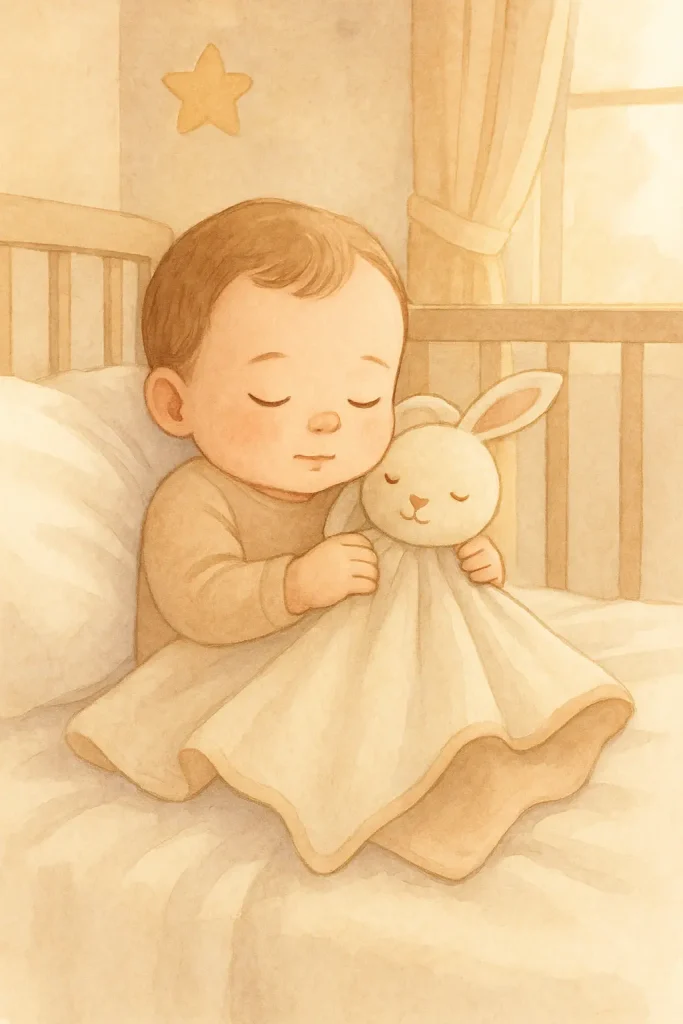
Every parent dreams of those peaceful nights when their baby drifts off to sleep with ease. One of the most powerful tools to make that happen is understanding sleep associations—the cues or conditions your baby links with falling asleep. These can include rocking, singing, feeding, or cuddling a favorite comfort object like a security blanket.
In short, a sleep association is anything your baby learns to connect with the process of falling asleep. When built intentionally, these associations become the foundation for healthy, predictable baby sleep routines.
Why Sleep Associations Are So Important
Babies wake multiple times during the night—this is normal and part of their biological rhythm. The key difference between a baby who settles back to sleep independently and one who needs help every time lies in their sleep associations.
Positive, consistent associations teach babies that sleep is safe, comforting, and predictable. This is why experts emphasize using the right baby sleep tips and introducing a familiar comfort object early on.
- Predictability: Babies thrive on routine. Familiar cues signal that bedtime is approaching.
- Security: A security blanket or soft lovey provides emotional reassurance when a parent isn’t nearby.
- Independence: When a baby learns to self-soothe using positive sleep associations, they fall back asleep faster during night wakings.
Healthy vs. Unhelpful Sleep Associations
Not all sleep associations are equal. Some promote independence, while others can make babies overly dependent on parental presence. Understanding the difference helps you build lasting, healthy habits.
Healthy Sleep Associations
- A consistent bedtime routine (bath, story, song)
- White noise or soft lullabies
- A breathable, cozy security blanket or comfort object
- Dim lighting and a consistent sleep environment
Unhelpful Sleep Associations
- Falling asleep only while being rocked or fed
- Always needing a parent’s presence to fall back asleep
- Overstimulation before bedtime
Replacing dependent associations with positive, independent ones is one of the most effective baby sleep tips experts recommend.
How Comfort Objects Help Build Positive Sleep Associations
Introducing a comfort object—like a soft security blanket or lovey—can help babies link sleep with calm and safety. These objects often become emotional anchors that soothe your baby when you’re not right beside them.
For example, a small bunny lovey can remind your baby of your scent and warmth, providing reassurance throughout the night. Over time, this creates a powerful, independent baby sleep routine where your baby feels secure falling asleep on their own.
Expert Tip: Before giving your baby a comfort item, sleep with it for a night or keep it near your skin. This transfers your scent and strengthens the soothing effect.
When to Introduce a Comfort Object or Security Blanket
For safety, pediatric sleep experts recommend introducing a comfort object or security blanket once your baby is around 12 months old. By this age, they can roll over and move items away from their face independently.
Before then, you can still let your baby hold or cuddle their future lovey during supervised naps or playtime. This helps build familiarity and emotional attachment well before bedtime use.
Creating Consistent Baby Sleep Routines
Babies learn through repetition. A simple, predictable bedtime routine helps them understand that sleep is coming. Try following the same 4–5 steps each night:
- Bath time to signal wind-down
- Dim lights and a quiet environment
- Gentle lullaby or soft story
- Offer a comfort object or security blanket
- Place the baby in their crib, drowsy but awake
Within a few weeks, your baby’s brain begins to connect these steps with the onset of sleep—forming stable, positive baby sleep routines.
The Science Behind Sleep Associations
Infant sleep cycles are shorter than those of adults, meaning babies naturally wake multiple times overnight. When they associate sleep with external factors—like rocking or feeding—they may cry when those conditions change.
However, when babies associate sleep with their own soothing strategies (like holding a security blanket), they’re more likely to drift back to sleep independently. This self-soothing is a cornerstone of healthy baby sleep routines and emotional resilience.
Using Baby Sleep Tips to Strengthen Positive Associations
- Stay Consistent: Follow the same sequence of bedtime cues nightly.
- Keep It Calm: Avoid screens or loud play in the hour before bed.
- Use Comfort Wisely: A comfort object should enhance, not replace, your loving presence.
- Respond, Then Step Back: Offer gentle reassurance without restarting the entire routine every time your baby stirs.
Consistency and emotional warmth create the most reliable baby sleep routines and make your baby sleep tips truly effective.
Promote Healthy Sleep with the Katiia Joy Bunny Lovey
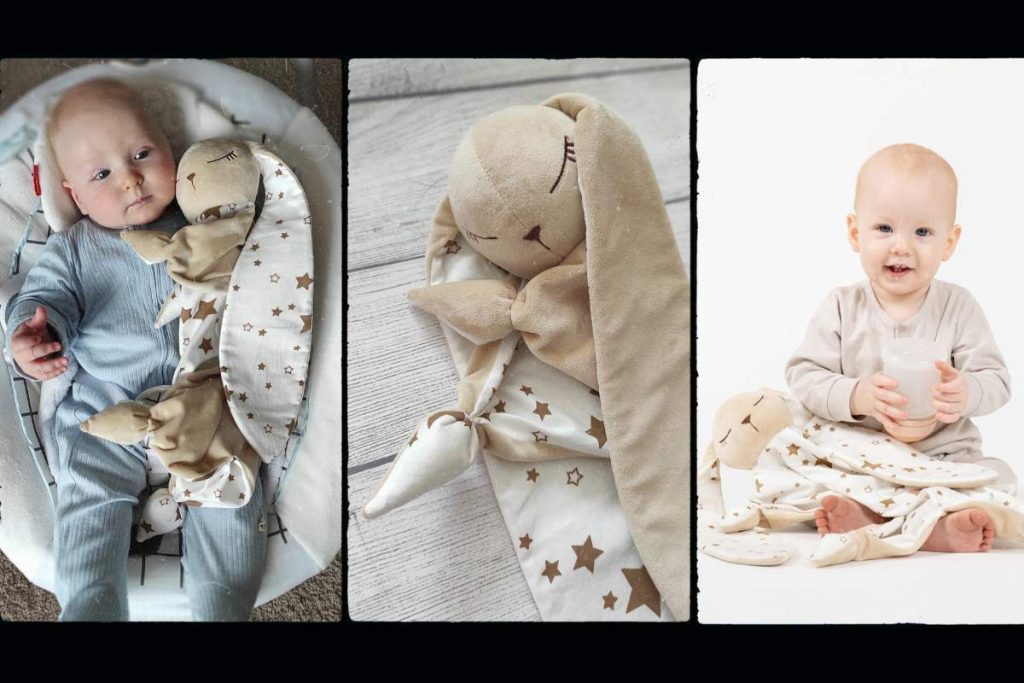
Looking for a safe, soft comfort object to support your baby’s sleep journey? Our Katiia Joy Bunny Lovey was designed to help babies feel calm, secure, and loved—day and night. With two layers of fabric (breathable cotton and plush crystal velvet), it’s the perfect security blanket for gentle snuggles and self-soothing.
👉 Shop the Katiia Joy Bunny Lovey on Amazon
Final Thoughts
Sleep associations are a natural and powerful part of your baby’s development. By guiding them toward positive habits—like using a safe comfort object and consistent baby sleep routines—you’re helping them build independence, security, and better-quality rest.
Pair these baby sleep tips with patience and love, and you’ll soon enjoy more peaceful nights and a happier, well-rested little one.
Keywords: baby sleep tips, comfort object, baby sleep routines, security blanket