
The Psychology Behind Transitional Objects in Childhood
How a comfort object like a baby lovey supports child development, self‑soothing, and secure attachment.
I. What Are Transitional Objects?
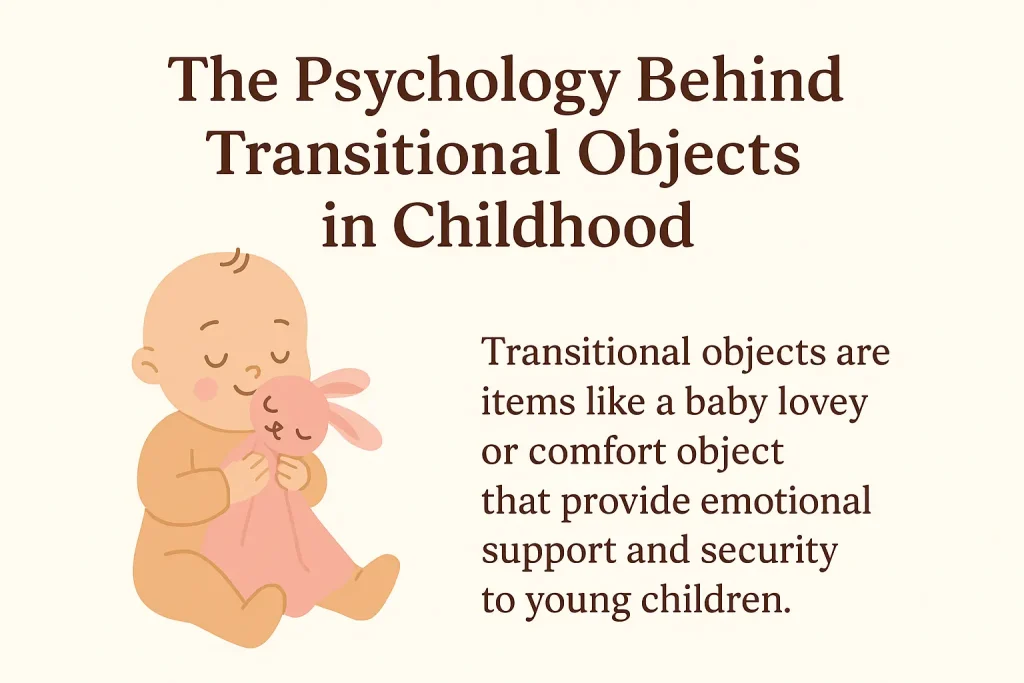
In everyday parenting, few tools are as quietly powerful as transitional objects. A transitional object is any cherished item—often a soft toy or blanket—that provides emotional steadiness when a parent or primary caregiver isn’t immediately available. In practice, this is the familiar comfort object many families know as a baby lovey: a small blanket or plush friend that goes everywhere. These objects act as a bridge between constant closeness and growing independence in early child development.
Popular examples include small knit blankets, plush animals attached to mini quilts, and soft cloth toys. Regardless of form, the function is the same: predictability, familiarity, and calm during transitions such as bedtime, daycare drop‑off, travel, or medical visits.
II. The Psychology: Why Transitional Objects Work
From the lens of child development, infants learn to regulate emotions first with a caregiver’s support, and later, with internal strategies. A beloved comfort object helps scaffold that journey. The texture, scent, and consistent presence of a baby lovey become cues of safety. Over time, these cues lower stress, aid self‑soothing, and support secure attachment patterns.
- Co‑regulation → self‑regulation: Early on, babies need a caregiver to calm them. Transitional objects help bridge toward independent settling.
- Predictable cues: Repeated use of the same comfort object at sleep or separation times creates reliable associations that reduce distress.
- Autonomy with safety: A baby lovey provides control in new situations, supporting confidence while the caregiver stays responsive.
In short, transitional objects complement responsive caregiving. They don’t replace parents; they extend parental reassurance into moments when hands can’t be free.
III. Developmental Timeline: From Interest to Independence
Most babies notice soft items by about six months, with attachment to a specific comfort object often emerging between 6–12 months—right when separation awareness grows. Use typically peaks in toddlerhood and fades as children develop new coping skills. Milestones often look like this:
- 6–12 months: Curiosity and preference emerge; a favorite baby lovey may become part of naps and bedtime.
- 12–24 months: Strong attachment; the comfort object travels to daycare and on errands, smoothing transitions.
- 2–4 years: Gradual flexibility; the lovey stays home or is used mainly for sleep.
There’s no single “right” schedule. In healthy child development, most kids naturally reduce dependence as their language, problem‑solving, and emotional skills expand.
IV. Choosing a Healthy Transitional Object
The “best” comfort object is safe, soft, and easy to love. Consider:
- Fabric & safety: Hypoallergenic, breathable materials; securely stitched features; no loose parts.
- Size: Small enough for little hands, large enough for snuggling; easy to pack for outings.
- Care: Machine washable—because real life. Consider buying twins so you can rotate washes.
- Design: Gentle colors and friendly faces; a baby lovey with a simple animal, like a bunny, feels timeless and soothing.
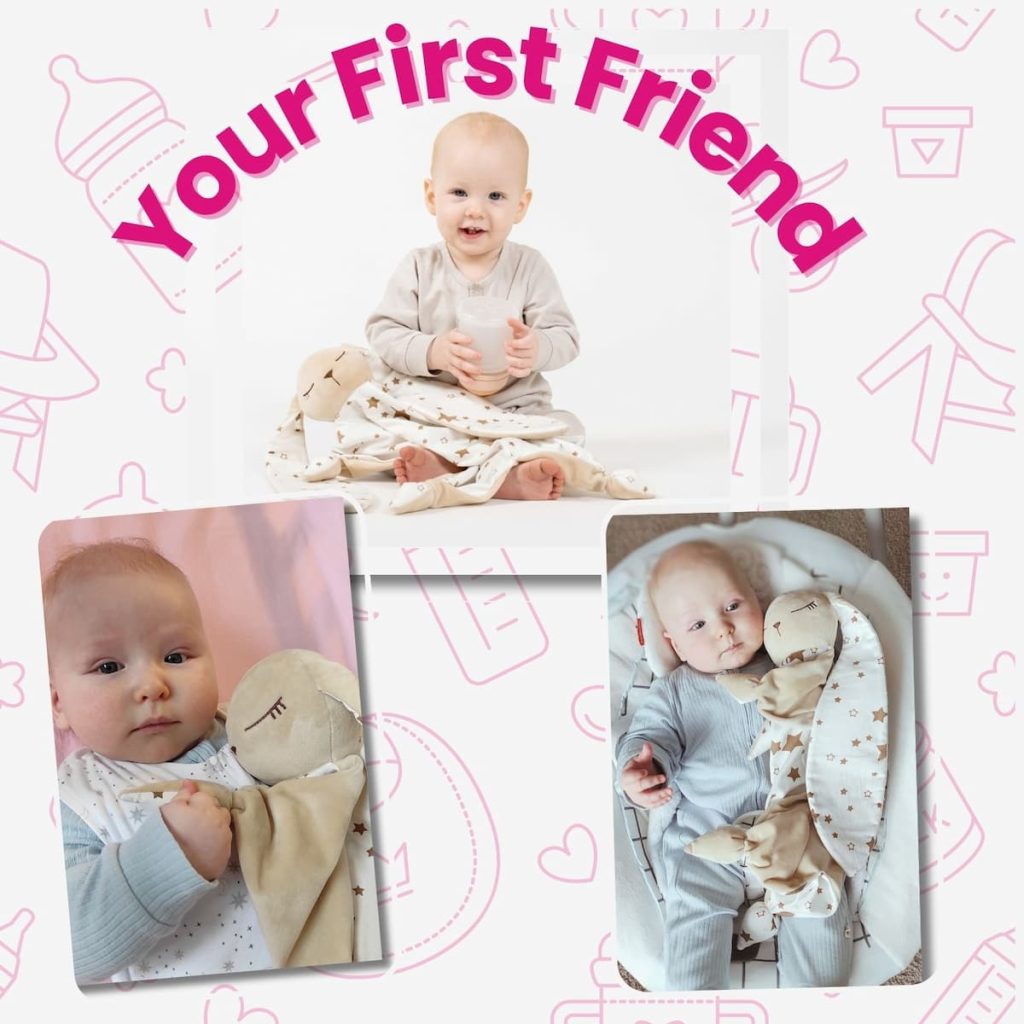
Why a bunny? A classic bunny baby lovey pairs soft ears and calm facial features with cuddly fabric—an easy win for consistent comfort.
V. Introducing a Comfort Object (Step‑by‑Step)
- Start with proximity: Keep the comfort object near during feeding, rocking, and story time so it absorbs familiar scents.
- Attach to routines: Offer the baby lovey at naps and bedtime first; later, add it for daycare drop‑off or travel.
- Model calm: Treat the object like a helper—“Bunny is here to snuggle while you rest.”
- Duplicate wisely: Introduce a second identical lovey early so the child accepts either one.
Always follow safe‑sleep guidance. Soft items are generally recommended for supervised comfort before 12 months; confirm current guidance with your pediatrician.
VI. Avoiding Over‑Dependence
A well‑used comfort object supports—not replaces—connection. To keep balance:
- Pair lovey time with responsive caregiving and language (“I’m here; let’s snuggle with your baby lovey”).
- Allow use at predictable times (sleep, transitions), but encourage participation in play without it.
- As flexibility grows, set gentle boundaries—e.g., lovey stays in the backpack at preschool.
VII. Everyday Wins: How Transitional Objects Help
- Sleep: A consistent comfort object creates soothing sleep cues, supporting better rest for the whole family.
- Separation: During handoffs, a familiar baby lovey lowers stress for both child and caregiver.
- New places: Travel, appointments, and first classes feel safer with a known companion.
- Skills growth: As children practice bravery with their lovey nearby, confidence and coping expand—key goals in early child development.
VIII. FAQs for Caregivers
Is it okay if my child seems “too attached”? Strong attachment often coincides with big developmental leaps. Support, then gently scaffold flexibility.
What if the lovey gets lost? Use duplicates and label them. If loss happens, validate feelings and offer a similar comfort object; most children adapt with support.
When should we retire it? There’s no universal deadline. Many families keep a baby lovey for sleep only by preschool, and later transition it to a keepsake.
Choosing Your Child’s First Lovey
If you’re ready to try a comfort object, a soft, well‑made baby lovey (we love a classic bunny!) is a thoughtful place to start. Look for breathable fabrics, secure stitching, and easy washing—then weave it into your daily routines. Small tool, big calm. Available now on Amazon
Keywords targeted in this article: transitional objects, comfort object, baby lovey, child development.