
It’s bedtime, and your baby reaches out for their favorite security blanket — a soft, cuddly item that instantly soothes them. Comfort objects, often referred to as infant security blankets or lovey blankets, have long been recognized as powerful emotional tools for infants and toddlers. But why do babies form such strong attachments to these items? Let’s explore the science behind comfort objects and their essential role in emotional development.
What Are Comfort Objects?
Comfort objects are items like stuffed animal blankets, soft toys, or small blankets that babies and toddlers use for emotional support. Also known as transitional objects, these items provide a sense of security when a parent or caregiver is not present. The most common comfort objects include infant security blankets and lovey blankets, which combine softness with familiarity.
The Psychology Behind Security Blankets
The concept of transitional objects was introduced by psychoanalyst D.W. Winnicott in the 1950s. He observed that babies often form attachments to soft items like a security blanket as a substitute for their mother’s presence. These objects help children navigate the space between dependency and independence, easing separation anxiety.
Through their attachment to a stuffed animal blanket or lovey, babies gain control over their environment. This familiarity brings comfort during stressful times, such as bedtime, illness, or travel.
How Comfort Objects Support Emotional Regulation
Comfort objects are not just cute additions to a crib — they play a vital role in helping babies develop emotional resilience. A familiar infant security blanket can help lower cortisol levels (the stress hormone), especially in unfamiliar environments. This emotional regulation is crucial for healthy development.
Researchers have found that babies with access to their security blanket or lovey blanket are better able to self-soothe and fall asleep more easily. Over time, these objects become a core part of a child’s emotional toolkit.
When Do Babies Start Using Comfort Objects?
Most babies begin to show interest in comfort objects between 6 to 12 months of age, right around the time they start to experience separation anxiety. Introducing a stuffed animal blanket or infant security blanket at this age can ease this transition and create healthy attachment patterns.
Read more in our post: Loveys: A Guide for Parents
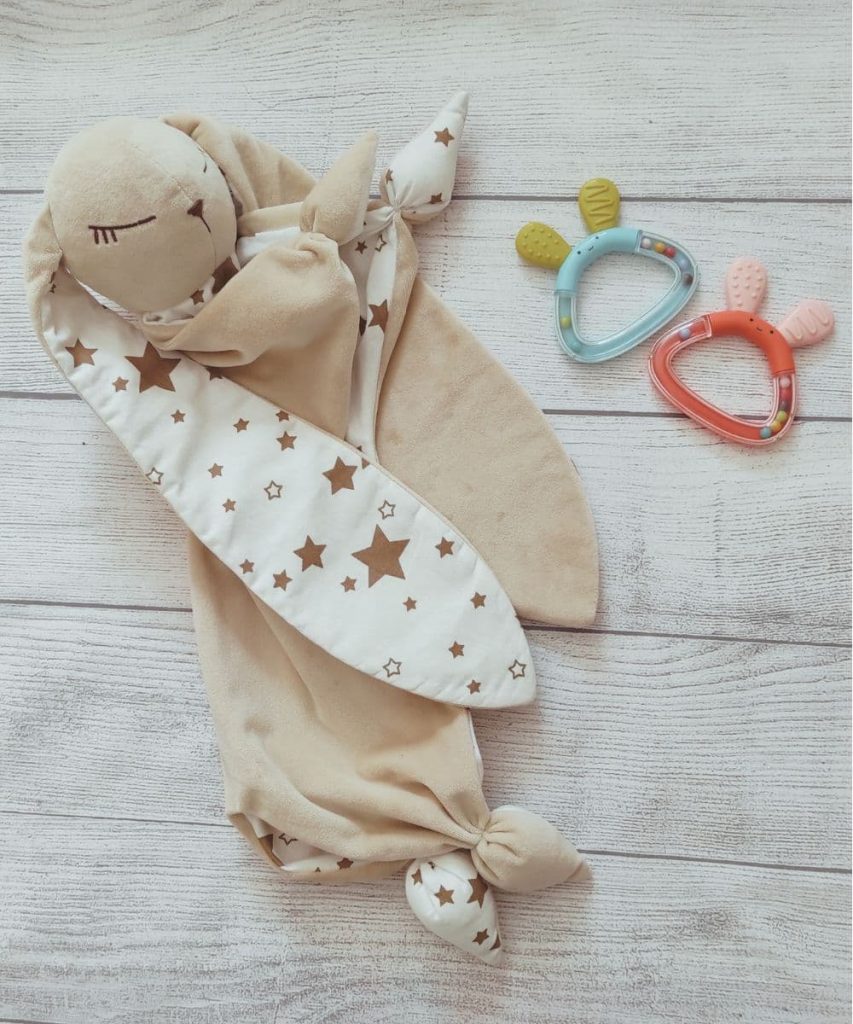
Choosing the Right Comfort Object
When selecting a comfort object for your child, safety and softness should be top priorities. Here are a few things to consider:
- Make sure the lovey blanket is made from breathable, non-toxic fabrics.
- It should be machine washable and durable.
- A good size is ideal for little hands to grasp.
- Look for soothing textures that help with tactile development.
Many parents choose a stuffed animal blanket that doubles as a toy and comfort item. This dual function enhances its effectiveness as a self-soothing tool.
Comfort Objects and Sleep
Sleep routines are one of the most common times when babies rely on comfort items. A security blanket placed near your child during bedtime can signal safety and relaxation. Sleep associations formed during infancy can last well into toddlerhood and even beyond.
According to pediatric sleep experts, using an infant security blanket during naps and bedtime can promote independence and better sleep habits. Just be sure to follow safe sleep guidelines and wait until your baby is old enough (usually 12 months or older) to safely sleep with soft items.
Are Comfort Objects a Crutch?
Some parents worry that their child’s attachment to a security blanket may delay independence. In reality, comfort objects help foster independence by giving babies a safe outlet for managing stress and new experiences. Most children naturally grow out of their reliance on lovey blankets as they develop new coping skills.
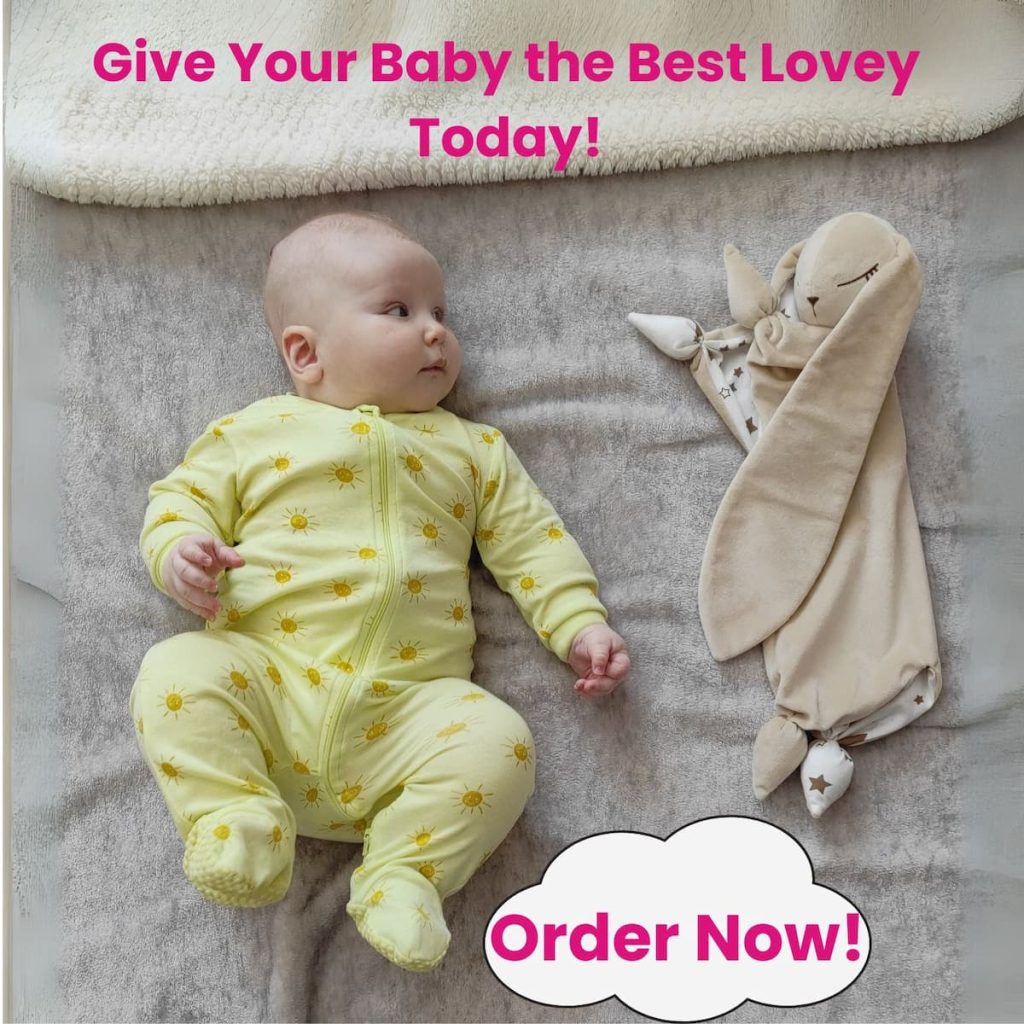
Comfort Objects in Child Development
Research shows that transitional objects contribute to:
- Stronger emotional resilience
- Improved sleep quality
- Lower anxiety during change
- Faster recovery from stress
So, when your child insists on taking their favorite stuffed animal blanket to grandma’s house, they’re actually engaging in healthy self-regulation — and that’s something to celebrate.
Conclusion
Comfort objects like security blankets, lovey blankets, and stuffed animal blankets are much more than cute accessories. They are backed by science and psychology as essential tools for emotional development and stress relief in babies. Whether it’s for sleep, travel, or simply navigating big emotions, the right infant security blanket can make a world of difference.
If you’re looking for the perfect gift or support tool for your little one, consider a high-quality lovey blanket. It just might become their most cherished companion — and your parenting secret weapon.
If you’d like to shop for a soft, big bunny lovey perfect for infants and toddlers, check out our favorite pick here on Amazon.