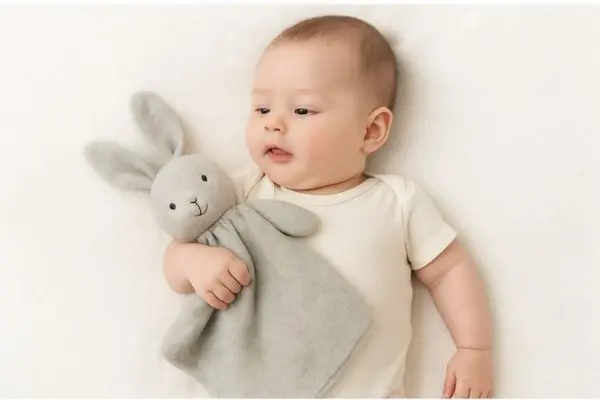
The Best Age to Introduce a Baby Lovey (and How to Do It Safely)
Learn when and how to introduce a baby lovey or bunny lovey for better sleep, comfort, and baby security.
Why Parents Love Loveys
A baby lovey—sometimes called a comfort blanket or security toy—is more than a cute accessory. It’s a small, soft object that helps babies feel calm and safe during moments of separation, such as bedtime or daycare drop-offs. Many parents notice that introducing a lovey can be a game changer for infant sleep routines and overall baby security.
Whether it’s a soft blanket with a plush animal head or a simple cloth toy, a lovey helps your little one self-soothe, fall asleep faster, and build emotional resilience. One of the most popular types is the bunny lovey—a timeless favorite for its gentle design and soft feel.
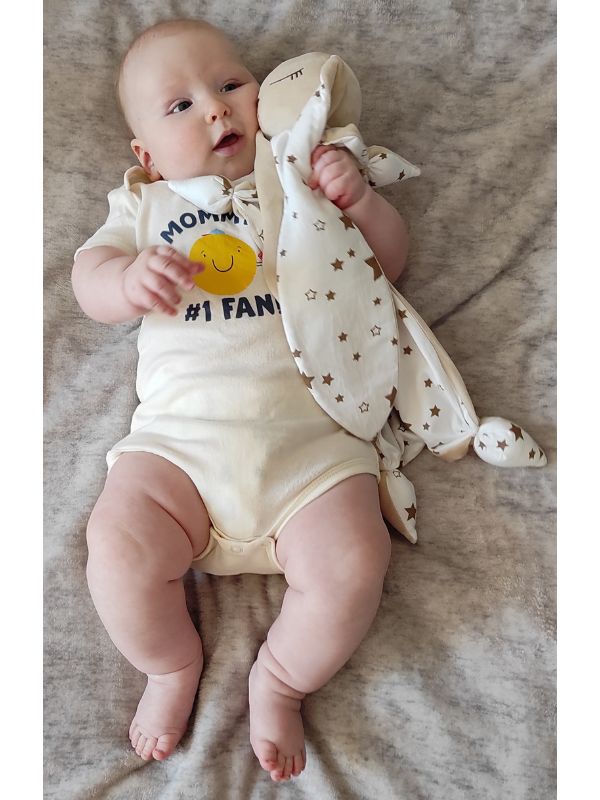
What Exactly Is a Baby Lovey?
A baby lovey is a transitional comfort object that gives babies a sense of security when a parent isn’t nearby. It can be a small stuffed toy, a soft square blanket, or a hybrid of both. This item often becomes a baby’s best friend—something they reach for when tired, upset, or needing reassurance.
For parents looking to encourage independent sleep and emotional comfort, introducing a bunny lovey can be one of the most effective infant sleep tips you’ll ever try.
When Can You Safely Introduce a Baby Lovey?
According to pediatric experts and sleep consultants, the safest time to introduce a baby lovey is around 12 months of age. Before this age, babies are still at risk of suffocation or entanglement if loose objects are placed in their cribs.
Once your baby reaches their first birthday—and can roll over and move objects away from their face independently—it’s generally considered safe to allow them to sleep with a bunny lovey or similar soft comfort item. Until then, you can begin introducing it during supervised times, like naps or cuddle sessions, to build familiarity.
Pro Tip: Before introducing a lovey, keep it close to your skin for a few hours or overnight. Your scent helps your baby form an emotional attachment and increases their sense of baby security.
How a Baby Lovey Supports Infant Sleep
One of the most effective infant sleep tips for new parents is to create consistent sleep cues. A baby lovey can serve as a powerful cue that signals bedtime, helping your little one wind down more easily.
- Comfort and Familiarity: Babies associate their bunny lovey with calm, predictable routines.
- Reduced Separation Anxiety: When a parent leaves the room, the baby lovey provides a reassuring connection.
- Improved Sleep Quality: With consistent use, many babies fall asleep faster and stay asleep longer.
Because sleep routines are so central to baby security, even small comfort cues—like holding the same lovey each night—can make a big impact.
How to Introduce a Lovey (Step-by-Step)
- Start Early (Supervised): Let your baby explore the bunny lovey during playtime or while feeding. They’ll begin to associate it with warmth and comfort.
- Infuse with Familiar Scents: Keep the baby lovey near you so it absorbs your natural scent. This makes it instantly more soothing.
- Use During Bedtime Routine: Incorporate it into nightly rituals—singing, reading, or rocking—to create positive sleep associations.
- Transition to Independent Use: Once your baby is old enough (12+ months), allow them to hold it as they fall asleep.
Safety Reminder: Avoid introducing a baby lovey in the crib before 12 months. For younger infants, limit lovey time to supervised naps or awake comfort moments.
How to Choose the Best Bunny Lovey
When choosing the perfect bunny lovey, look for one that’s both safe and sensory-friendly. Here’s what matters most:
- Soft, Breathable Fabric: Choose cotton or minky fabrics that feel gentle on delicate skin.
- Secure Stitching: Avoid buttons or plastic pieces that could detach.
- Easy to Clean: Machine washable loveys are essential for hygiene and daily use.
- Size and Weight: Small enough for your baby to grasp easily but large enough to cuddle comfortably.
The bunny lovey stands out as one of the most popular choices—it’s adorable, lightweight, and calming. The floppy ears and soft face make it irresistible for babies learning to self-soothe.
Building Emotional Resilience with a Lovey
Beyond sleep, a baby lovey supports emotional development. It becomes a trusted friend during new experiences—doctor visits, daycare, travel, or meeting new people. This small object helps babies develop early coping strategies and confidence in unfamiliar environments.
That emotional connection translates to stronger baby security and self-soothing skills that carry through toddlerhood.
When (and How) to Wean from a Lovey
Most children naturally begin to outgrow their bunny lovey between ages three and five, as their emotional and cognitive skills mature. There’s no rush—many families keep their child’s baby lovey as a treasured keepsake.
If you’d like to encourage independence, start by keeping the lovey in bed only or for stressful situations. Transition gradually so your child feels supported throughout the process.
Final Thoughts
Introducing a baby lovey at the right time is one of the most nurturing things you can do for your child’s sense of safety and comfort. Around 12 months is ideal, as long as your baby can safely move objects in bed. Until then, use the bunny lovey during bonding moments to build positive associations.
For parents searching for gentle infant sleep tips and ways to promote baby security, this simple, soft companion can make a world of difference—for both you and your little one.
If you’d like to shop for a soft, big bunny lovey perfect for infants and toddlers, check out our favorite pick here on Amazon.
Keywords: baby lovey, bunny lovey, infant sleep tips, baby security