
Pediatrician-Approved Tips for Creating a Calming Bedtime Routine
Bedtime can be one of the most peaceful — or most challenging — moments in your baby’s day. Fortunately, pediatricians agree that consistency, comfort, and connection are key ingredients for restful sleep. A structured baby bedtime routine not only helps your little one fall asleep faster but also supports healthy emotional and cognitive development. In this guide, we’ll share expert-backed newborn care tips to create a soothing bedtime routine that works for your family.
Why a Bedtime Routine Matters
Babies thrive on predictability. A nightly routine helps signal that the day is ending and sleep time is near. According to pediatric sleep specialists, consistent bedtime habits strengthen your baby’s internal clock, reduce nighttime awakenings, and foster better sleep quality. Whether your child is a few weeks old or a curious toddler, developing a steady baby bedtime routine builds security and emotional stability.
1. Set a Consistent Schedule
Babies’ bodies respond best when sleep happens around the same time each night. Choose a bedtime that allows your baby to get enough rest for their age — typically between 6:30 and 8:30 PM for most infants. Sticking to this window helps reinforce natural sleep cues and avoids overtiredness. Pediatricians often recommend using the same timing for naps and bedtime to support strong circadian rhythms.
2. Start with a Calm Environment
Before beginning your baby bedtime routine, lower the household energy. Dim the lights, reduce noise, and set the room temperature to around 68–72°F (20–22°C). These small environmental shifts help trigger melatonin production — the sleep hormone that prepares your baby’s body for rest. Avoid overstimulation from screens or bright toys, which can make winding down more difficult.
3. Include a Warm Bath or Gentle Wipe-Down
Warm water can have an incredible soothing effect on babies. A brief bath or gentle wipe-down before bed not only helps your baby feel clean but also signals that it’s time to transition to sleep. If your little one dislikes baths, consider simply washing their hands and face with a soft cloth. It’s one of the simplest yet most effective newborn care tips for relaxation.
4. Add a Gentle Massage
After a bath, use baby-safe lotion or natural oil for a light massage. Gentle, rhythmic strokes promote relaxation and can even improve digestion and circulation. Pediatricians often recommend incorporating this as part of your baby bedtime routine since touch helps strengthen parent-baby bonding and emotional regulation. Speak softly or hum while massaging — your baby’s sense of security grows with your calming presence.
5. Dress Comfortably for Sleep
Make sure your baby’s sleepwear is cozy, breathable, and appropriate for the room temperature. Overheating can lead to restless sleep and increase health risks. Opt for soft cotton or bamboo fabrics and avoid loose blankets — unless it’s a small security blanket or lovey that meets safety standards.
6. Create a Calm Feeding Routine
Feeding before bed can become a comforting ritual, but try to separate it slightly from falling asleep. This helps prevent a strong feeding-sleep association that may lead to frequent night wakings. Instead, feed your baby in a dimly lit room, burp gently, and then move to quiet cuddles before putting them down.
7. Introduce a Security Blanket or Lovey
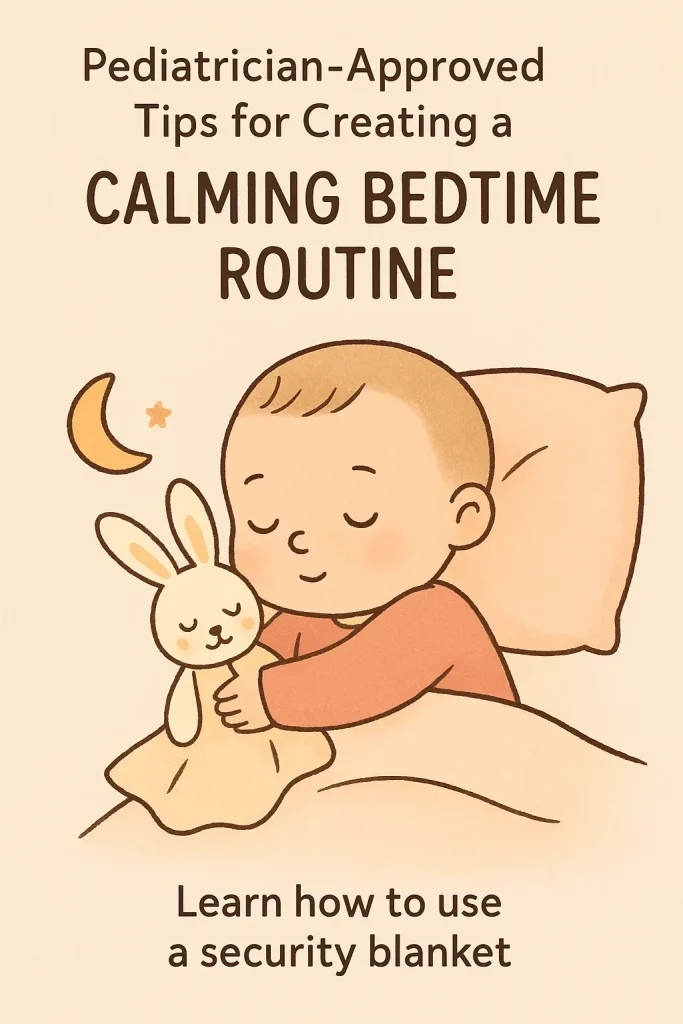
Once your baby is past the newborn stage (usually after 12 months, depending on pediatric guidance), introducing a security blanket or baby lovey can help them self-soothe at bedtime. These soft comfort objects provide familiarity and reassurance when parents step out of the room. Our Bunny Lovey is a popular choice — designed from baby-safe materials, combining soft cotton and plush velvet textures to help your little one feel calm and protected. You can find it now on Amazon to add gentle comfort to your nightly routine.

8. Read or Sing to Your Baby
Reading a short book or singing a lullaby offers emotional connection and developmental benefits. Babies love hearing their parents’ voices, which helps regulate breathing and heart rate. Choose soft, rhythmic books or familiar songs to create positive associations with bedtime.
9. Keep Lighting Low and Consistent
After bedtime starts, maintain a low-light environment. Use a dim nightlight if needed for feeding or diaper changes. Bright light, especially from blue light sources, can disrupt sleep hormones and make it harder for babies to fall back asleep. Keeping lighting consistent signals that nighttime means quiet rest.
10. Practice Gentle Sleep Cues
Babies benefit from consistent sleep cues — like saying “night-night,” turning on soft white noise, or snuggling with their security blanket. These repetitive signals teach them to associate these actions with sleep, helping them settle independently over time.
11. Avoid Overstimulating Play Before Bed
Rough play or exciting toys can make it harder for babies to calm down before bedtime. Keep activities gentle in the hour leading up to sleep. Focus instead on quiet bonding — rocking, reading, or cuddling your baby lovey together. These moments strengthen attachment and ease separation anxiety.
12. Stay Calm and Consistent
Your mood influences your baby’s. Staying calm, even on tough nights, helps signal safety and predictability. If bedtime is stressful, babies may resist sleep more. Try mindfulness or deep breathing before starting the baby bedtime routine. The calmer you are, the calmer your baby will be.
Safety Reminders for Bedtime
- Always place your baby on their back to sleep.
- Keep the crib free from loose blankets, pillows, and toys until at least 12 months of age.
- Ensure the security blanket or lovey is small, breathable, and safe for your baby’s age.
- Use a firm mattress and fitted sheet in the crib.
Building a Routine That Grows with Your Child
As your baby grows, your routine can evolve — but the core principles remain: predictability, comfort, and connection. Over time, your baby bedtime routine will become a cherished rhythm for your entire family. Whether it’s bath, story, or snuggle time with a Bunny Lovey, these moments build emotional security that lasts well beyond infancy.
Looking for the perfect security blanket to include in your bedtime routine? Discover our soft and soothing Bunny Lovey — a gentle companion designed for calm, cozy sleep. Shop now on Amazon and make bedtime a little easier for both of you.